|
 |
 |
 |
 |
|
 |
|
|
|
Wild About Gardens Newsletter August 2012 |
|
|

|
|
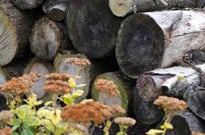
Some of the best features for a wildlife garden could be characterised as sticks and stones. Log piles, and rotting wood, are really important features - their damp shelter is a refuge for many ground-dwelling invertebrates. The wood is also a food source for many insect larvae.
|
|
Stones are also important. You only need to look down on paving slabs or rockery stones on a warm, sunny day to realise how many spiders seem to love this surface. For a more vertical approach, try stone walls. Built in the traditional way, without mortar, they are colonised by lichens and mosses. The nooks and crannies are highly valuable to insects, amphibians and small mammals.
Gravel gardens may be useful substitutes for paving, for example in front gardens. They are a great place to grow drought-tolerant lavender and rosemary, always popular with bees.
|
|
|
|
Things to do
- It’s very tempting to trim hedges now, but if you must, do ensure there are not nesting birds there; if possible wait until the end of the nesting season.
- Avoid putting out chunky food for birds, as this could choke young fledglings. This includes whole, loose peanuts. It is safer to put them in a peanut feeder.
- If you have a meadow, work out the appropriate mowing regime. Spring-flowering meadows can be mown now, recently sown perennial meadows can be mown 6-8 weeks after sowing, and annual meadows do not need mowing at all, but will die back in the autumn.
More things to do in August |
|
|
|
|
| |
|
 |
|
|
|
|
|